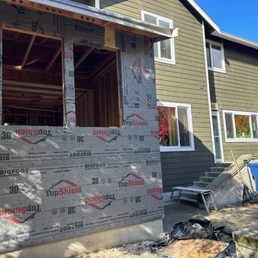
You bought your Pacific Northwest home and felt like you finally had stability. Mortgage payment locked in. Yard taking shape. The roof looks fine, the furnace runs, the water heater works. Then year 15 hits, and within 24 months, three different systems start failing at once. By the time the dust settles, you have spent $50,000 to $80,000 on repairs you did not see coming.
This is not bad luck. It is math.
Almost every major system in a typical home has a service life clustered between 12 and 20 years. In the Pacific Northwest, the constant moisture, mild winters that never freeze out fungal growth, and steady rainfall accelerate that timeline. The result is what local contractors call the 17-year problem: a window roughly between years 15 and 19 of a home’s life when roofs, water heaters, HVAC systems, original windows, exterior paint, gutters, decks, and aging plumbing all reach the end of their service lives within a few years of each other.
If your home was built in the 2005 to 2010 range, the math is staring you in the face right now. Built between 1995 and 2005? The clock already ran out, and deferred maintenance is compounding. Pre-1990? You are managing a different problem entirely, but the financial exposure is just as real.
This guide breaks down exactly why the 17-year problem hits Pacific Northwest homes harder than most regions, what fails first, what it actually costs, and how to plan ahead so the repair bill does not arrive all at once.
What Is the 17-Year Problem?
The 17-year problem is the predictable convergence point where multiple major home systems simultaneously approach end-of-life. National data backs the pattern, and Pacific Northwest climate makes it sharper.
Look at the average service life of the major systems:
- Asphalt shingle roofs: 20 to 25 years (often shorter in PNW due to moss and moisture)
- Central air conditioning: 12 to 17 years
- Furnaces: 15 to 20 years
- Heat pumps: 16 years
- Tank water heaters: 6 to 12 years (often replaced once around year 12)
- Tankless water heaters: 20+ years
- Original double-pane windows: 15 to 20 years before seal failures
- Exterior paint and stain: 7 to 10 years
- Gutters (aluminum): 20 years
- Wood decks: 10 to 15 years
- Carpet and laminate flooring: 10 to 25 years
- Garage door openers: 10 to 15 years
- Dishwashers: 9 to 15 years
- Refrigerators: 9 to 13 years
- Garbage disposals: 8 to 12 years
The convergence happens because most of these systems were installed at the same time, when the home was built. By year 15 to 19, they all start needing attention within a narrow window.
The American Society of Home Inspectors estimates the average house needs about 50% replacement of its components over a 30-year period. That means in any given year inside the 15-to-25 window, you should expect 1 to 2 major system replacements coming due, plus a steady stream of smaller items.
In the Pacific Northwest, accelerated wear from sustained moisture pulls many of these timelines toward the early end of the range. The 17-year mark sits right in the middle of the convergence zone.
Why the Pacific Northwest Makes It Worse
Three regional factors push repair timelines forward in Washington and Oregon homes compared to drier climates.
Constant moisture exposure. Western Washington receives 35 to 50+ inches of rain per year, and homes stay damp for weeks at a time. Roofs never get the dry-and-bake cycle they get in Arizona. Wood siding stays wet long enough for fungal growth. Caulk, sealants, and flashing degrade faster. Asphalt shingles in Seattle and Tacoma typically need replacement closer to 18 to 22 years rather than the 25-year national average.
Moss and algae growth. Pacific Northwest moss does more than look bad on a roof. It traps moisture against shingles, lifts edges, and accelerates granule loss. Many local roofs fail prematurely from moss damage rather than age alone. Gutters clog faster from moss debris and tree litter, which causes overflow and fascia rot.
Mild winters that never kill mold. Unlike the Midwest or Northeast where deep freezes reset the moisture cycle, Pacific Northwest winters stay damp at temperatures that mold and fungus love. Crawl spaces, attics, and basements get year-round moisture pressure. Wood rot starts in places homeowners never see.
The combination compresses the typical replacement timeline. A 25-year roof in Phoenix might be a 19-year roof in Tacoma. A 15-year furnace in Denver might still be a 15-year furnace in Seattle, but the ductwork and exterior intake equipment around it have aged faster.
The Cost Math: Why $50,000+ Is Realistic
When you add up what fails during the 15-to-19-year convergence window for a typical Pacific Northwest home, the numbers get serious fast. Here are realistic Western Washington cost ranges.
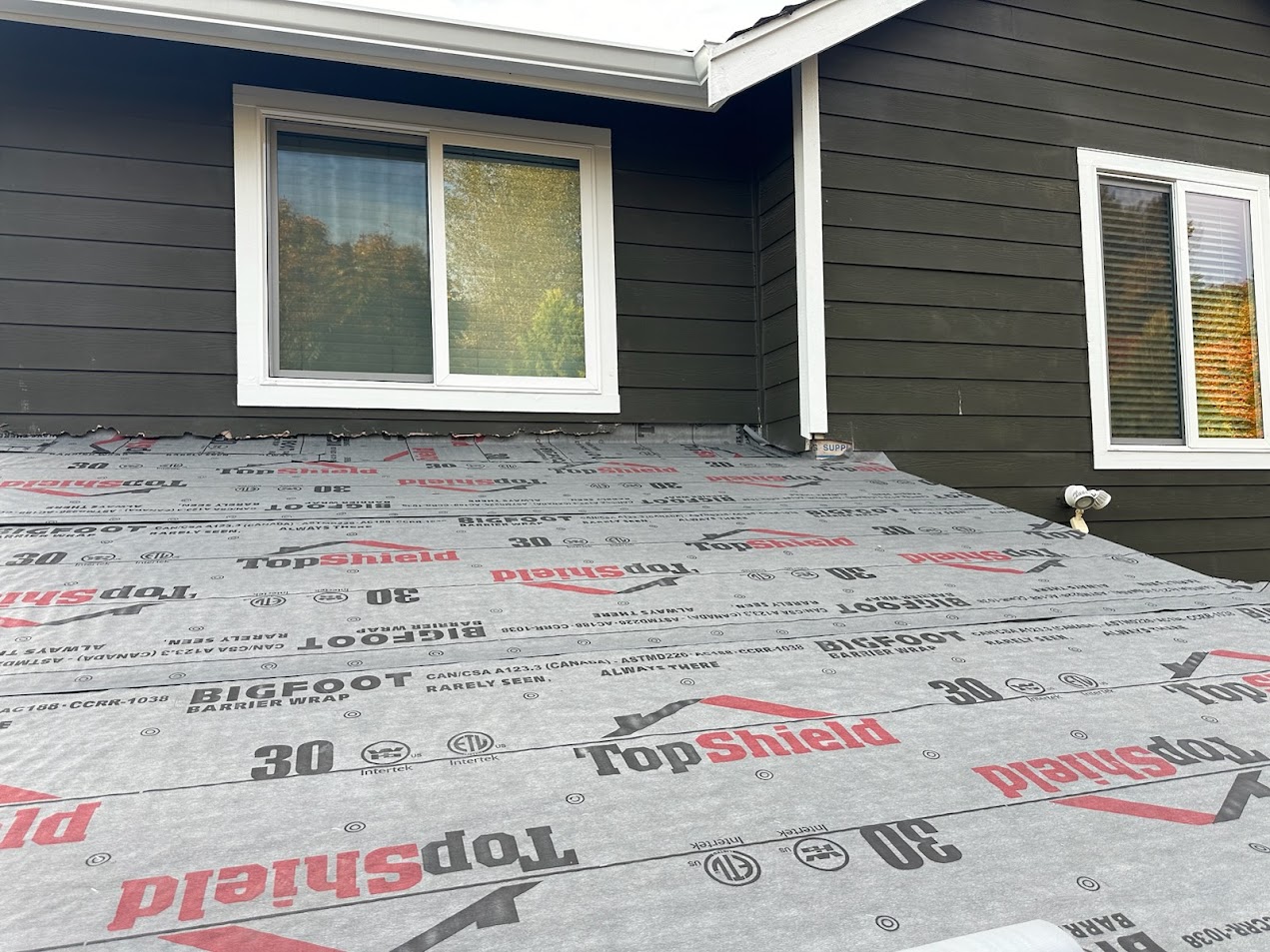
Roof replacement. Asphalt shingle replacement on a 1,800 to 2,400 square foot home runs $12,000 to $25,000 in the Puget Sound region. PNW labor rates run higher than national averages because of steeper pitches required for water shedding, stricter building codes, and higher labor costs. Add tear-off of multiple layers, decking repair from undiscovered moisture damage, and skylight or vent replacement, and many local roof jobs hit $20,000 to $30,000.
HVAC system replacement. Furnace replacement runs $4,500 to $9,000 depending on efficiency and brand. A full HVAC system replacement, including furnace, A/C unit, and any necessary ductwork, runs $7,500 to $15,000+. Heat pump systems, which are popular in the Pacific Northwest because they do double duty for heating and the increasingly hot summers, run $8,000 to $18,000. Ductwork repair or replacement adds $2,000 to $5,000.
Water heater replacement. A standard tank water heater replacement runs $1,200 to $2,500 installed. Tankless conversions run $3,000 to $5,500 but pay back over time. If your panel needs upgrades to support a tankless or heat pump water heater, add another $1,500 to $4,000.
Window replacement. Original double-pane windows from the 1990s or early 2000s start failing around year 15 to 20 with seal breakdowns and condensation between panes. Whole-home window replacement on a typical 2,000 square foot home runs $12,000 to $25,000. Energy-efficient replacements help with PNW heating costs, but the upfront expense is significant.
Exterior paint or stain. A full exterior paint job in the Puget Sound area runs $6,000 to $12,000 for a typical home. Pacific Northwest paint cycles sit closer to 7 to 8 years rather than 10 because of moisture exposure. Cedar siding requires more frequent sealing and runs higher.
Gutters and gutter guards. Full aluminum gutter replacement runs $1,800 to $4,500. Add gutter guards, which are nearly mandatory in the PNW because of leaf and moss debris, for another $1,500 to $4,000.
Deck replacement or refinishing. Refinishing a wood deck runs $700 to $2,500. Full deck replacement runs $5,000 to $20,000+ depending on size and material. Composite decking is increasingly popular here because it tolerates the moisture better than cedar or pressure-treated wood.
Hidden moisture and rot repair. Almost universally discovered during major exterior projects. Window flashing rot, fascia replacement, siding repair behind failed flashing, and subfloor damage commonly add $2,000 to $10,000 across various locations during a typical roof or window replacement.
Appliances. Refrigerator, dishwasher, oven, washer, and dryer all reach end-of-life within a similar window. Full appliance replacement on the major five runs $4,000 to $12,000 depending on tier.
Total realistic exposure during the 15-to-19-year window: $48,000 to $110,000+ for a typical Western Washington home, assuming average maintenance and no major surprises like foundation work, sewer line failure, or significant rot remediation.
A reasonable middle estimate for a moderately maintained 2,000 square foot home in the Puget Sound region: $52,000 to $75,000 spread across roughly 36 months. That is the heart of the 17-year problem.
What Fails First in PNW Homes (and What to Watch For)
Not everything fails at the same time. The order matters because catching the early failures prevents cascading damage.
Years 7 to 10: Exterior paint and seals. First to go in PNW conditions. Failed paint exposes wood siding to moisture. Failed window and door seals start the slow process of frame rot. Caulk around tubs, showers, and exterior penetrations starts cracking.
Years 8 to 12: Water heater (tank). The first major appliance to die in most homes. Symptoms include rusty water, longer reheat times, popping or rumbling sounds (sediment buildup), and visible moisture around the base. A failed water heater that floods can cause $5,000 to $15,000 in secondary damage to flooring and drywall.
Years 10 to 15: Roof granule loss and moss. Watch the gutters for shingle granules. Watch the north-facing slopes for moss. Watch ceilings for the faintest discoloration after heavy rains. Catching roof issues at year 12 lets you do targeted repairs. Missing them until year 18 typically means a full replacement plus interior damage repair.
Years 12 to 17: HVAC and furnace. Furnace runs longer to hit target temperatures. Energy bills creep up. Strange noises start. Repair calls become more frequent. The “repair vs. replace” decision usually lands around year 15 when a single repair would cost more than 30% of replacement value.
Years 15 to 20: Original windows. Seal failures cause condensation between panes, drafts increase, frames swell or stick. The first failed windows are usually on south and west exposures because of UV and moisture combination.
Years 15 to 20: Decks and exterior wood. Wood decks start showing soft spots, fastener corrosion, and railing instability. Cedar siding, fascia boards, and trim show paint failure followed by moisture absorption.
Years 18 to 25: Gutters, garage doors, and remaining appliances. The second wave of replacements as aluminum gutters develop sagging and leaks, garage door openers fail, and the kitchen appliances finally give up.
Anytime after year 15: Hidden plumbing problems. PVC and copper supply lines hold up well, but rubber gaskets, supply line connectors, dishwasher lines, and washer hoses all fail unexpectedly. The sneaky one is hot water recirculation pumps and pressure regulators, which start malfunctioning in ways that drive up bills before they obviously fail.
The Hidden Multiplier: Deferred Maintenance Compounds Costs
Repairs caught early cost a fraction of repairs caught late. The 17-year problem becomes the 22-year disaster when homeowners delay obvious maintenance.
Roof example. Replacing damaged shingles and clearing moss in year 12 costs $300 to $1,500. Letting that same damage run until year 18 typically means roof deck replacement, attic insulation replacement (because moisture compromises R-value), interior drywall repair, and possible mold remediation. Total often hits $25,000 to $40,000 instead of $1,500.
Caulking example. Re-caulking exterior windows and doors in year 8 costs $400 to $900. Letting failed caulk run for 5 years lets moisture into the wall cavity. The repair becomes structural framing replacement, siding replacement, insulation removal, and interior wall repair. $5,000 to $15,000 instead of $700.
Gutter example. Cleaning gutters annually in PNW costs $150 to $300. Clogged gutters cause overflow that rots fascia boards, soaks foundations, and creates basement water intrusion. Repair of a single rotted fascia run plus painting can hit $1,500 to $4,000. Foundation water damage can run into five figures.
Exterior paint example. Repainting on a 7 to 8 year cycle costs $6,000 to $12,000 every cycle. Letting paint go to 12+ years means siding replacement on damaged sections, framing repair where moisture got behind the siding, and a longer paint prep cycle. Adds $5,000 to $20,000 to the eventual paint job.
The takeaway is brutal: Pacific Northwest homes do not tolerate deferred maintenance the way drier climates do. Every year you push a repair past the recommended timeline, the moisture wins more ground.
The 17-Year Repair Schedule (What Smart PNW Homeowners Do)
Homeowners who avoid the 17-year financial cliff treat home maintenance like a long-term capital plan, not a series of emergencies.
Year 1 to 5: Document and inspect. Get a detailed home inspection report. Photograph every system. Note install dates of roof, HVAC, water heater, windows, and major appliances. Create a maintenance calendar. Build a home repair savings account starting at 1% of home value per year.
Year 5 to 7: First exterior cycle. Re-caulk windows and doors. Power wash and inspect siding. Treat any moss on the roof. Service HVAC system. Flush water heater. First exterior paint job often falls in year 7 to 8.
Year 8 to 10: First major replacement window opens. Water heater is the typical first major item to die. Plan ahead with a tankless conversion if your panel supports it. Address any window seal failures with targeted repairs. Inspect crawl space for moisture intrusion.
Year 10 to 14: Second exterior cycle. Second exterior paint or stain job. Roof inspection by professional. Gutter system evaluation, possibly add gutter guards. Replace any failed window seals. HVAC system gets first serious assessment.
Year 14 to 18: The convergence hits. This is when the 17-year problem peaks. Roof replacement likely needed. HVAC system replacement likely needed. Original water heater (if not already replaced) almost certainly fails. Window replacements start. Major appliance replacements stack up. This is the period to have $40,000 to $75,000 saved or financed.
Year 18 to 25: The second wave. Gutters, garage door opener, deck refinishing or replacement, secondary appliance replacements, possible second HVAC component (heat pump or A/C if separate from furnace). Another $15,000 to $40,000.
Year 25 to 30: Major systems renewal. If you stayed ahead, the systems replaced in years 14 to 18 are still solid. The next wave includes second-time water heater replacement, possibly first plumbing fixture overhauls, kitchen appliance refresh, and exterior surface refinishing.
This schedule is not optional. It is the actual lifecycle of a PNW home. Homeowners either spread the costs across the 25-year window or get hit with them all at once.
How to Build a Realistic Repair Budget
The standard “1% of home value per year for maintenance” rule is too simple for Pacific Northwest homes. Here is a more realistic framework.
For homes age 0 to 10 years: Set aside 0.75% to 1% of home value annually. This builds the cushion before major systems hit replacement age.
For homes age 10 to 20 years: Set aside 1.5% to 2% of home value annually. This is when major replacements start hitting.
For homes age 20 to 30 years: Set aside 2% to 3% of home value annually. Multiple major systems hitting end-of-life simultaneously.
For homes age 30+ years: Set aside 2% to 4% of home value annually, plus contingency for surprise structural issues.
For a $600,000 home in the Puget Sound region during the 10-to-20-year window, that is $9,000 to $12,000 per year set aside. It feels excessive when nothing is broken. It feels lifesaving when the roof, furnace, and water heater all fail in the same 18 months.
If you cannot save that much, the alternative is financing major repairs through HELOC, cash-out refinancing, or contractor financing programs. None of those are bad options when the math works, but they are best evaluated before the emergency, not during it.
How to Stretch System Lifespans in PNW Conditions
Smart maintenance can push system lifespans 3 to 7 years longer than average, which dramatically reshapes the 17-year problem.
Roof life extension:
- Annual moss treatment ($200 to $500) extends asphalt shingle life 3 to 5 years
- Gutter cleaning twice yearly prevents fascia rot and ice damming
- Tree trimming away from the roof eliminates moss-promoting shade
- Attic ventilation upgrades reduce shingle heat damage and condensation
HVAC life extension:
- Annual professional servicing ($150 to $300) extends life 3 to 5 years
- Monthly filter changes prevent motor strain
- Smart thermostats reduce cycling
- Duct cleaning every 5 to 7 years improves efficiency
Water heater life extension:
- Annual tank flushing prevents sediment damage
- Anode rod replacement every 5 years can double tank life
- Pressure regulator installation prevents early failure
- Insulation blankets reduce work cycles
Window and exterior life extension:
- Re-caulking every 3 to 5 years
- Pressure washing exterior annually
- Stain or paint touch-ups before full failure
- Storm window add-ons protect original windows
Foundation and crawl space:
- Vapor barriers in crawl spaces
- Sump pump testing annually
- Grading away from foundation
- Downspout extensions to move water away
The cumulative effect of disciplined maintenance can save $30,000 to $60,000 over a 25-year ownership period.
Conclusion
The 17-year problem is not a worst-case scenario. It is the baseline financial reality of Pacific Northwest homeownership. Roof, HVAC, water heater, windows, and major appliances do not fail randomly. They fail predictably, on overlapping timelines, in a regional climate that compresses every system’s service life.
The homeowners who manage it well are not the ones who got lucky with their home or their contractor. They are the ones who looked at the math early, built a realistic repair budget, ran preventive maintenance on schedule, and treated home ownership as a long-term capital plan rather than a fixed monthly mortgage payment.
If you bought your home in the last five years, you have time to build the cushion. Set aside 1% to 2% of home value per year. Document every system. Schedule preventive maintenance. The 17-year problem will still come, but it will not bankrupt you when it does.
If you are inside the convergence window right now, prioritize ruthlessly. Roof and water heater protect everything else, so they go first. HVAC matters next because PNW winters are not optional. Windows can often wait another two to three years if you re-caulk and treat the seals. Use a professional home inspection to triage the order, not contractor sales pitches.
If you bought a 20-plus year old home and are realizing what you signed up for, you are not alone. Most PNW homes in this age range need $50,000 to $100,000 in deferred work over the next five years. Build the financing plan, stage the projects, and tackle moisture-related issues first because those are the ones that compound into bigger problems.
A Pacific Northwest home is one of the best long-term investments you can make. Just make sure you are budgeting for what it actually costs to keep it standing through the rain.
Frequently Asked Questions
Why is the Pacific Northwest harder on homes than other regions?
The combination of sustained moisture, mild winters that do not freeze out mold and fungus, and dense tree cover creating shade and debris all accelerate wear. Most home systems have shorter actual service lives in PNW conditions than national averages suggest.
How much should I save per year for home repairs?
For Pacific Northwest homes in the 10-to-20-year age range, plan for 1.5% to 2% of home value annually. For older homes, budget 2% to 3%. On a $600,000 home, that is $9,000 to $18,000 per year.
Should I replace systems before they fail or wait until they break?
Plan replacement for 80% to 90% of expected service life if you can. Failure-driven replacement during the PNW rainy season costs significantly more, comes with longer wait times for contractors, and frequently includes secondary damage repair.
What is the most expensive surprise in PNW homes?
Sewer line failure on older homes. Side sewer replacement runs $5,000 to $25,000 depending on length and access. Foundation water intrusion is second, often costing $10,000 to $40,000 to remediate properly.
Are heat pumps a smart investment in the Pacific Northwest?
Yes, increasingly. Modern heat pumps work efficiently in PNW winter temperatures, handle the rising summer cooling demand, and qualify for federal and state rebates. Total installed cost runs $8,000 to $18,000 with rebates often returning $1,500 to $5,000.
How do I know if my roof is at end-of-life?
Visible granule loss in gutters, curling or cupping shingles, multiple moss colonies despite treatment, daylight visible from inside the attic, and water staining on interior ceilings all indicate replacement is overdue. A professional inspection costs $150 to $400 and typically pays for itself in negotiation leverage with contractors.
Is it worth selling before the 17-year problem hits?
For some homeowners, yes. Homes sold in years 12 to 14 typically command full market value before the obvious wear shows. Homes sold during the convergence window often face price reductions of $30,000 to $80,000 or buyer-requested credits because new owners can see what is coming.
Should I bundle repairs together for cost savings?
Yes for related work. Roofing and gutter replacement together saves on access setup. Window replacement and exterior paint should happen together. HVAC replacement is a good time to address ductwork. The National Association of the Remodeling Industry estimates coordinated projects save 15% to 25% versus separate contractors.