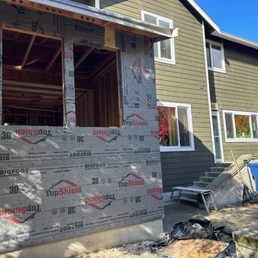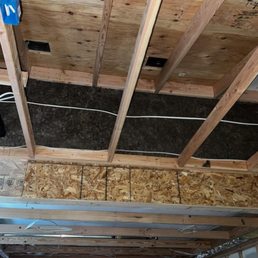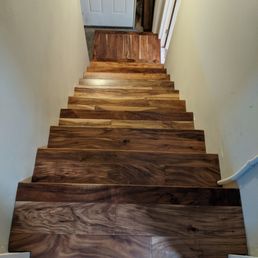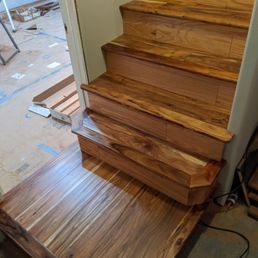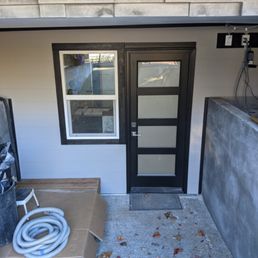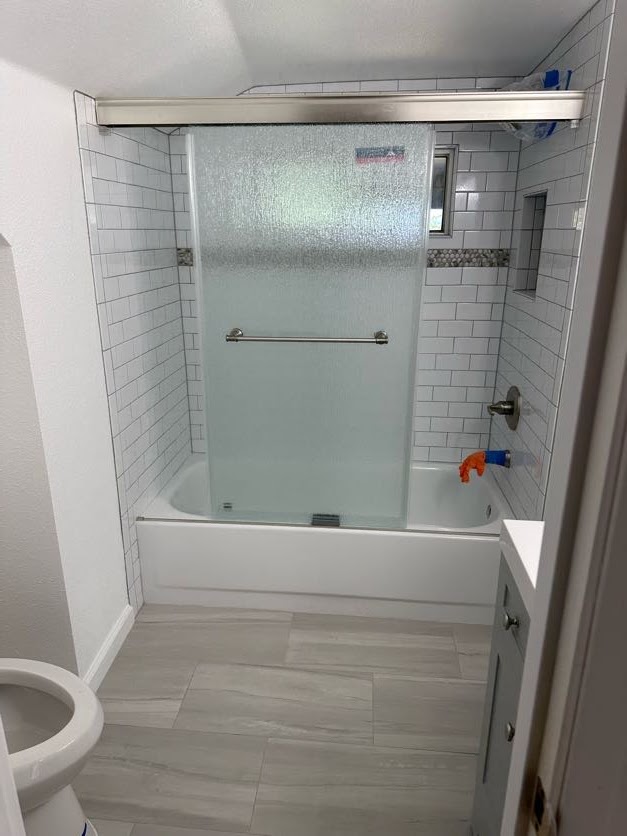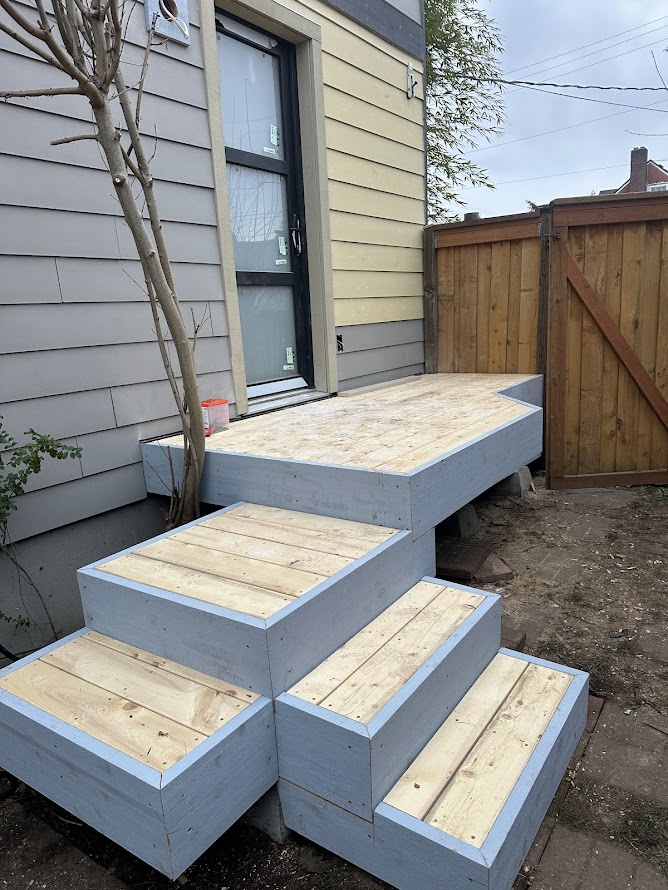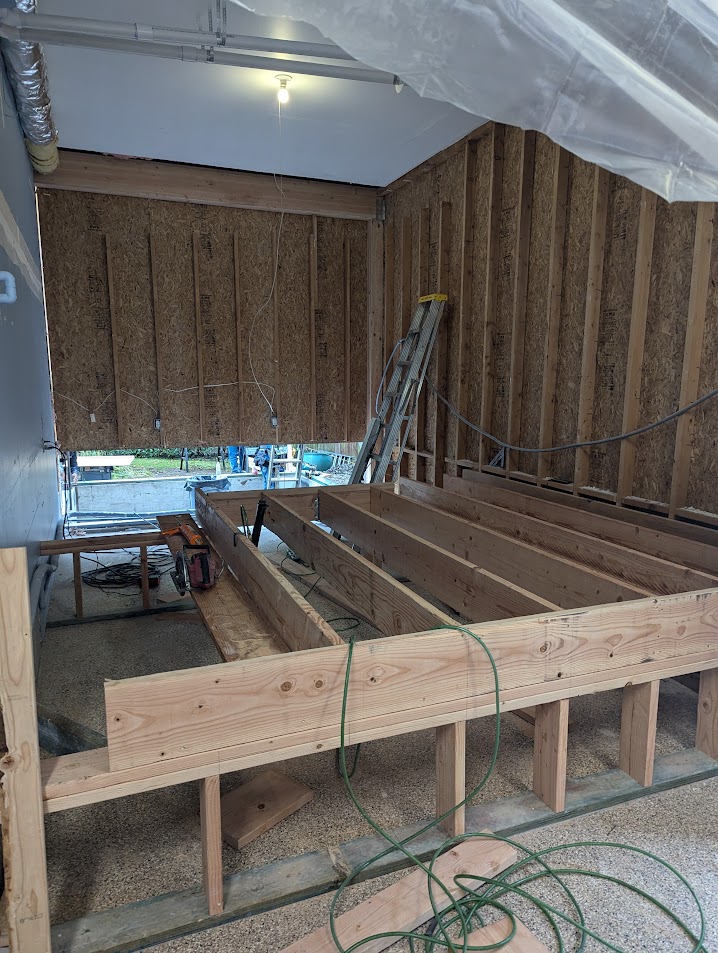
You set a budget. You got the contractor’s estimate. Then demolition started, and the numbers stopped making sense.
This is the reality for most Graham WA homeowners who tackle a remodel. The average home remodeling project in Graham runs between $35,930 and $52,093, but actual costs swing from $11,683 to $93,470 once hidden issues surface. The gap between estimate and final invoice is rarely the contractor’s fault. It is what was already lurking behind the walls of your Pacific Northwest home before anyone picked up a hammer.
Graham sits in a part of Pierce County where housing stock ranges from older acreage homes near Kapowsin and Orting Highway to newer builds along Meridian and 224th. The age of your home, the rainfall pattern, the soil conditions, and Pierce County’s permit requirements all stack hidden costs that estimates rarely cover. Understanding these surprises before you start is the difference between a successful remodel and a financial disaster.
This guide breaks down the seven hidden costs that consistently blow up remodeling budgets in Graham, with real local pricing, why they happen here specifically, and exactly how to plan for them.
Why Graham WA Remodels Have More Hidden Costs Than Most Markets
Three local factors push hidden cost frequency higher in Graham than in many other parts of the country.
Pacific Northwest moisture. Graham receives roughly 40+ inches of rain per year. That sustained moisture, combined with the region’s wood-framed home construction, creates ideal conditions for wet rot and dry rot. Wood rot starts in predictable hidden places, including window trim, exterior door bottoms, fascia boards behind gutters, siding too close to grade, and subfloors under bathrooms and kitchens. Most homeowners have no idea how widespread it is until demolition exposes it.
Mixed housing stock. Graham has homes built across many decades, including pre-1978 properties with potential lead paint, pre-1980 properties with possible asbestos in insulation, ceiling tiles, flooring, or pipe wrap, and homes built before 2005 with insulation that no longer meets modern energy standards. Older homes near Meridian Avenue East, in particular, often hide outdated plumbing and electrical systems behind otherwise updated cosmetics.
Pierce County permit requirements. Pierce County enforces structured permit fee schedules under code 17C.10.070, with fees calculated against project valuation. Permit fee increases took effect February 1, 2026, raising costs further. Most homeowners underestimate what permits actually cost, and triggered code upgrades during inspections add even more.
Now let’s break down the seven specific surprise expenses that hit Graham budgets hardest.
1. Hidden Structural Damage and Wood Rot
This is the single most common hidden cost in Graham remodels, and the Pacific Northwest climate makes it worse here than almost anywhere else.
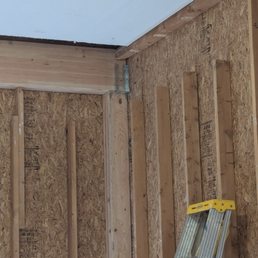
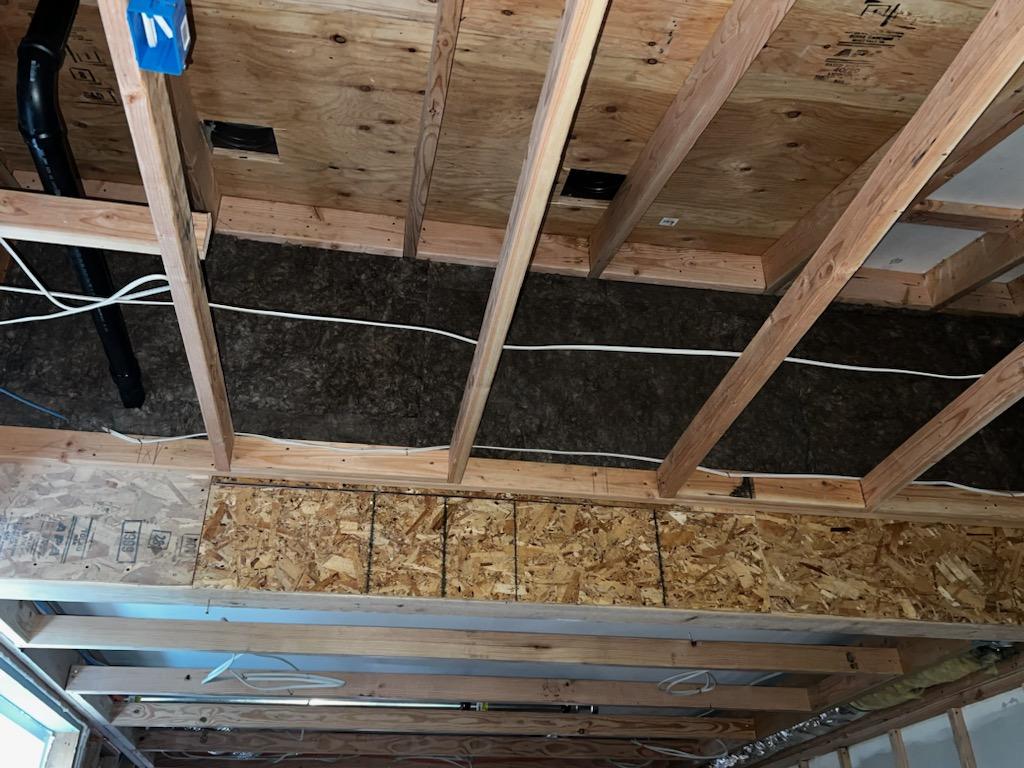
When walls open up, contractors regularly find dry rot in floor joists, wall plates, and rim joists, water damage from old roof leaks or failed window flashing, termite or carpenter ant damage in older wood framing, undersized or missing structural support, and foundation cracks or settling.
Real cost ranges:
- Water damage repair: $1,361 to $6,270
- Termite damage repair: $1,000 to $10,000+
- Foundation repairs: $2,000 for minor fixes to $10,000+ for significant work
- Load-bearing wall replacement (if you discover one needs rebuilt support): $10,000 to $20,000
- Wood rot repair: varies widely, often $2,000 to $8,000 per affected zone
Why Graham specifically: window trim, exterior door bottoms, and siding that sits too close to soil are classic Pacific Northwest rot starting points. By the time you see paint failure, the framing behind it is often already compromised. Many older Graham homes were built with original wood trim and detailing methods that simply do not handle modern rainfall patterns combined with deferred maintenance.
How to plan for it: Hire a structural engineer for a $400 to $700 inspection before finalizing your scope. It is the cheapest insurance you can buy.
2. Lead Paint and Asbestos Abatement
If your Graham home was built before 1978, assume it contains lead paint until tested. If it was built before 1980, assume it contains asbestos somewhere. These are not edge cases in Graham’s older housing stock.
Where asbestos hides in Pacific Northwest homes:
- Vinyl floor tiles and the mastic underneath
- Pipe wrap insulation
- Ceiling tiles and textured ceiling material
- Cement asbestos board (CAB) siding
- Older drywall joint compound
- Roofing materials and underlayment
Where lead paint hides:
- Original paint layers under newer coats
- Window sashes and frames
- Door frames and baseboards
- Exterior siding paint
Real cost ranges:
- Asbestos testing: $250 to $850 depending on samples
- Asbestos abatement (partial): $1,192 to $3,255
- Asbestos siding removal: $700 to $1,200 for typical sections
- Asbestos disposal: $10 to $50 per cubic yard
- Lead paint testing: $200 to $500
- Lead-certified painter premium for affected areas
- Hazardous waste removal: $700+ per truckload
Washington State requires licensed contractors for both asbestos and lead abatement. You cannot legally do this yourself in most cases. Abatement timelines also typically add two to three weeks to your project schedule, which compounds other costs.
How to plan for it: Test before demolition, not during. A licensed lead and asbestos inspector running tests upfront costs less than discovering contamination on day three of the project when you have already torn into walls.
3. Pierce County Permit Fees and Code-Triggered Upgrades
Pierce County permit fees are calculated against your total project valuation, including labor, finish work, painting, roofing, electrical, plumbing, heating, and any permanent equipment. The bigger your project, the bigger the fee, and most homeowners underestimate the total significantly.
Realistic Pierce County permit cost ranges:
- Minor renovations (window replacement, fixture changes): $50 to $200
- Mid-size remodels (bathroom, kitchen): $200 to $1,000
- Major remodels and additions: $1,000 to $7,500+
- New residential construction: $3,000 to $6,000+
Add to those base fees: plumbing permits, mechanical permits, electrical permits, school impact fees, traffic impact fees, fire prevention fees, and a 3% technology surcharge in some categories. Pierce County’s 2026-2027 budget includes additional fee increases that took effect February 1, 2026.
The bigger surprise: code-triggered upgrades. When the inspector visits an older Graham home, they often require unrelated systems to be brought up to current code. This is where homeowners get blindsided.
Common code upgrades triggered during Graham remodels:
- Knob-and-tube wiring removal: $12,000 to $36,600 for a full home
- Single light switch replacement on outdated wiring: up to $900 each
- Galvanized steel or lead pipe replacement: $1,500 to $15,000
- Fire alarm or smoke detector upgrades throughout the home
- GFCI outlet additions in kitchens, bathrooms, and exterior locations
- Egress window installation if you finish a basement bedroom: $2,500 to $5,000
- Insulation upgrades to meet current Washington energy codes: $0.30 to $6.75 per square foot
The green building rebate worth knowing: Pierce County offers up to a 25% permit fee refund for residential structures that achieve Tacoma-Pierce County Built Green 4 or 5 star certification, or LEED for Homes Gold or Platinum. This is rarely mentioned by contractors but worth asking about on larger projects.
How to plan for it: Pull the predesigned project guides from Pierce County’s PALS Online site before your first contractor meeting. Knowing what permits apply to your scope prevents nasty surprises.
4. Outdated Plumbing and Electrical Systems
In Graham’s older homes, the systems you cannot see are often the ones that cost the most to fix. Pulling permits for a kitchen or bathroom remodel frequently reveals plumbing or electrical issues that must be addressed before the inspector signs off.
Common findings in older Graham homes:
- Galvanized steel water supply lines (corrosion, low pressure, eventual leaks)
- Lead pipes in homes built before 1986 (health and code concerns)
- Polybutylene plumbing from the 1980s and early 1990s (failure-prone)
- Aluminum branch wiring (fire hazard, code issue)
- Knob-and-tube wiring (often present in pre-1950 homes)
- Undersized electrical panels (60 to 100 amp service when modern needs are 200 amp)
- Outdated fuse boxes that need full panel replacement
Real cost ranges for system upgrades:
- Whole-home repipe (galvanized to PEX or copper): $4,500 to $15,000 depending on home size
- Lead pipe replacement: $1,500 to $15,000
- Electrical panel upgrade (100 amp to 200 amp): $1,500 to $4,000
- Knob-and-tube removal: $12,000 to $36,600 for full home
- New circuit installation: $200 to $800 per circuit
- Whole-home rewire: $8,000 to $30,000
The cruel part: you might come into a kitchen remodel planning to spend $25,000 on cabinets, countertops, and appliances, then discover you need $8,000 in panel upgrades and $3,500 in plumbing work just to legally complete the project.
How to plan for it: If your home was built before 1980, get a separate plumbing inspection ($150 to $300) and electrical inspection ($150 to $300) before finalizing your remodel scope.
5. Mold and Moisture Damage from PNW Conditions
Graham’s combination of frequent rain, moderate temperatures, and shaded properties creates ideal mold conditions. Most homeowners do not discover mold until demolition starts, and finding mold in one location often means finding it in others.
Where mold hides in Graham homes:
- Behind shower walls and tub surrounds
- Under kitchen and bathroom flooring near appliances
- In crawl spaces with poor ventilation
- Behind drywall in rooms with old roof leaks
- Inside HVAC systems and ductwork
- In attics with inadequate ventilation
- Under window sills and around door frames
Real cost ranges:
- Professional mold inspection: $300 to $1,000
- Small mold remediation (single bathroom): $500 to $2,500
- Medium mold remediation (multiple rooms): $2,500 to $6,000
- Large mold remediation (whole home or HVAC system): $6,000 to $30,000+
- Crawl space encapsulation (often needed in Graham): $5,000 to $15,000
The Pacific Northwest’s mild winters rarely freeze out moisture, which is why mold problems persist year-round here in ways they do not in colder climates. Crawl spaces in particular are notorious for hidden moisture issues that go unnoticed for years.
How to plan for it: A pre-remodel mold inspection is one of the highest-ROI inspections you can do in this region, especially for kitchen and bathroom projects.
6. Change Orders, Material Price Swings, and Labor Specialist Fees
Even with a thorough estimate, the reality of construction creates ongoing budget pressure from three sources.
Change orders. Mid-project design changes are nearly universal. Going from stock cabinets to custom, upgrading countertop selections, adding a wider island, switching tile choices, or expanding scope all generate change orders. Contractors typically charge for the labor and material differences, plus administrative fees. Kitchen and bathroom remodels commonly add $10,000 to $20,000 in change orders alone when homeowners shift from initial selections to upgraded choices.
Material price fluctuations. Lumber, drywall, copper pipe, electrical wire, and tile have all seen price volatility through 2025 and into 2026. Most contractors lock in pricing for 30 to 60 days, but longer projects expose you to market shifts. Custom orders, particularly for cabinetry, countertops, and specialty fixtures, often face supply chain delays that push costs higher.
Specialist labor. When unexpected issues require licensed specialists (asbestos abatement, structural engineers, lead-certified painters, master electricians, mold remediators), their hourly rates run significantly higher than your general contractor’s labor. Specialist labor can add $1,500 to $8,000 to a typical Graham remodel.
Real cost impact: Plan to add 10% to 20% on top of material estimates and budget for at least one to two specialist consultations per project.
7. Living Costs, Storage, and Waste Disposal
The hidden costs that have nothing to do with construction itself catch homeowners off guard repeatedly. These are real expenses you will pay regardless of how well your contractor performs.
Temporary living costs. When kitchens or bathrooms become unusable, or when major renovations make the home difficult to occupy, you face restaurant meals, short-term rentals, or extended hotel stays. Even staying in your home with a partial kitchen tear-out leads to $400 to $800 per month in extra food costs. Full displacement runs $1,500 to $3,000+ per month for a modest rental in the South Sound area.
Storage costs. Most remodels require moving furniture, appliances, and household goods out of work areas. Pod rentals run $150 to $300 per month. Self-storage units in the Graham, Spanaway, and South Hill area run $80 to $250 per month depending on size.
Pet boarding and childcare. Construction zones are not safe for kids or pets. Boarding ranges from $25 to $60 per day per pet, and dog boarding alone for a 6-week kitchen remodel can hit $1,500.
Waste disposal. A standard dumpster rental in Pierce County runs $300 to $600 per project, with longer projects requiring multiple rentals. Hazardous waste disposal (asbestos, lead, contaminated drywall) runs significantly higher and requires licensed haulers.
Insurance premium changes. Major remodels can increase your homeowner’s insurance premium because the rebuild value of the home goes up. Some insurers also require disclosure during major work or risk coverage gaps if a claim occurs.
Sales tax on materials. Washington State sales tax (typically 9.4% in unincorporated Pierce County including Graham) applies to materials and equipment rentals. On a $40,000 remodel with $15,000 in materials, that is over $1,400 in tax that some homeowners forget to factor in.
Total realistic add-on: Budget $3,000 to $8,000 for these “soft costs” on a typical mid-size remodel. They do not appear on the contractor’s estimate but they will absolutely show up in your bank account.
How Much Contingency Should Graham Homeowners Actually Budget?
The standard advice is to set aside 10% to 20% of your total budget for hidden costs. For Graham WA specifically, here is what works in practice:
- Newer homes (built after 2000): 10% to 15% contingency
- Mid-age homes (1980 to 2000): 15% to 20% contingency
- Older homes (pre-1980): 20% to 30% contingency
- Pre-1950 homes: 25% to 35% contingency
On a $50,000 kitchen remodel in a 1970s Graham home, a 25% contingency means setting aside an additional $12,500. That feels excessive until the day your contractor opens the wall and finds knob-and-tube wiring plus dry rot in the rim joist.
This contingency is not budget you plan to spend. It is budget you plan to have available if needed. If you finish the project under budget, you keep the savings. If you do not have it set aside, you will either go into debt mid-project or be forced to cut corners on quality.
How to Minimize Hidden Costs Before Construction Starts
Smart pre-construction planning eliminates the majority of surprises before they happen.
Get a full pre-construction inspection. Hire a structural engineer, electrician, and plumber for separate inspections before finalizing scope. Total cost: $500 to $1,500. Total savings: typically $5,000 to $20,000 in avoided surprises.
Test for asbestos and lead in any pre-1980 home. Do this before signing the contractor’s bid. If you find contamination, you can build abatement into the original budget instead of treating it as an emergency expense.
Pull all required permits upfront. Visit the Pierce County Development Center website or call 253-798-3739. Knowing exactly what permits apply prevents discovery during work.
Get a fixed-price contract where possible. Some contractors offer all-inclusive, fixed-price quotes that cover labor, materials, waste removal, and basic surprises. These cost slightly more upfront but transfer risk to the contractor.
Document everything before demolition. Photo and video document existing conditions room by room. This protects you in disputes about what was original damage versus what occurred during construction.
Verify contractor licensing. Washington State requires general contractors to be licensed, bonded, and insured. Verify your contractor’s status at the Washington State Department of Labor and Industries website before signing anything. Bond amounts matter too: a $12,000 bond is the minimum, but larger projects benefit from contractors carrying higher bond limits.
Get three written estimates minimum. The cheapest bid is rarely the best value. A bid that is 30% lower than competitors is often missing scope items that will show up as change orders later.
Establish change order rules in writing. Before work begins, agree in writing on how change orders are priced, approved, and documented. Verbal change orders are where projects spiral.
Conclusion
Hidden costs in Graham WA remodels are not random bad luck. They are predictable patterns driven by Pacific Northwest moisture, mixed-age housing stock, Pierce County permit requirements, and the realities of construction work in older homes. Every one of the seven categories above shows up on a majority of Graham remodels at some point.
The homeowners who finish projects on budget are not the lucky ones. They are the ones who built realistic contingency funds, ran the right pre-construction inspections, hired licensed and properly bonded contractors, and treated hidden costs as expected scope rather than emergency surprises.
Before you sign a single contract, take three steps: get a structural inspection on any pre-1980 home, run asbestos and lead testing if it applies, and pull the Pierce County permit information for your specific scope. Spending $1,000 to $1,500 upfront saves the average Graham homeowner $10,000 or more in mid-project surprises.
A good remodel in Graham can transform your home and add real value, especially in a market where Pacific Northwest construction quality matters to future buyers. Just budget for what your home actually has hiding inside it, not just what you can see from the kitchen.
Frequently Asked Questions
How much does a typical kitchen remodel cost in Graham WA?
Average kitchen remodels in Pierce County range from $25,000 to $75,000 depending on scope, materials, and home age. Cabinet refacing alone in Graham runs $1,546 to $2,441 according to recent Pierce County data. Add hidden costs and Graham kitchen remodels frequently end at $35,000 to $90,000.
How long do Pierce County permits take?
Standard residential permits typically issue within 4 to 8 weeks for straightforward projects. Complex projects involving critical areas, septic systems, or private wells require Level 1 Pre-Application Screening, which adds 2 to 4 weeks. Permits expire 180 days from issue date.
Do I need a permit for every remodel in Graham?
Cosmetic work like painting, flooring, and fixture replacement typically does not require permits. Anything affecting structure, plumbing, electrical, or mechanical systems does. Pierce County’s “Work Exempt from Permit Guide” lists exact exemptions.
What is the most expensive hidden cost in Graham remodels?
Whole-home knob-and-tube wiring replacement ($12,000 to $36,600) and major foundation repairs ($10,000+) typically top the list. Lead and asbestos abatement combined with associated delays can also stack into five-figure surprises.
Should I do my own demolition to save money?
Generally no, especially in homes built before 1980. Improper demolition can spread asbestos fibers and lead dust throughout your home, creating health risks and contamination cleanup costs that far exceed any labor savings. Licensed contractors carry the proper PPE, containment, and disposal protocols.
Is fall or winter a cheaper time to remodel in Graham?
Sometimes yes for interior work. Many Pierce County contractors have lower demand from October through February and offer better pricing or scheduling flexibility. Exterior work is harder to schedule reliably during the rainy season, so projects involving roofing, siding, or windows often work better from May through September.
How do I find a reliable remodeling contractor in Graham?
Start with verified directories: Houzz, HomeAdvisor, and Angi list rated contractors serving Graham. Check Washington L&I license status at lni.wa.gov. Read at least 10 reviews per contractor across multiple platforms. Ask for three references from completed projects of similar scope.